§ A Garden, a Shed and a Claim to Precedence
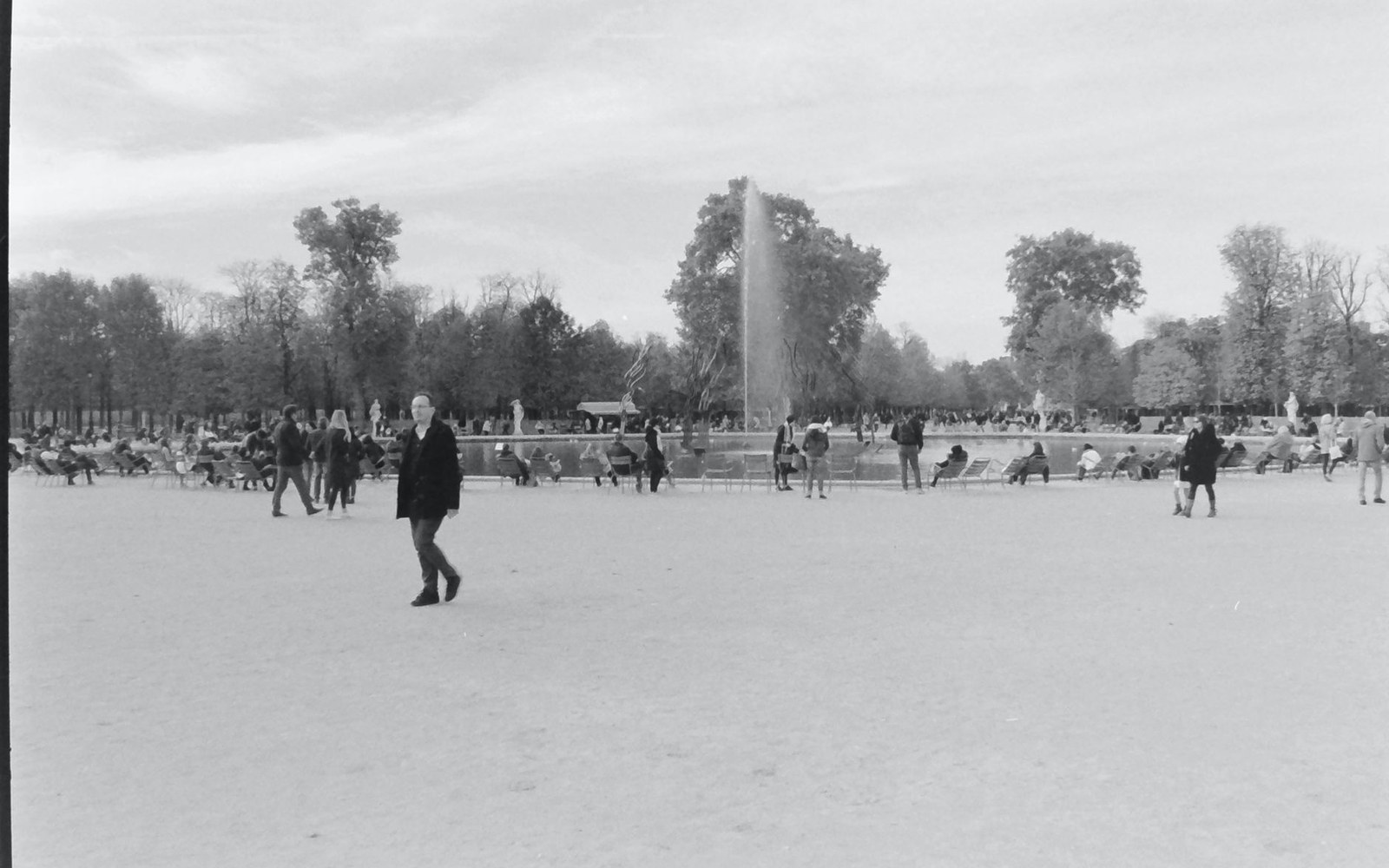
The first Salon de l'Automobile et du Cycle opened on 11 June 1898 in the Tuileries gardens, organised under the auspices of the Automobile Club de France. Exhibitors brought around 140 vehicles to the gravel paths and temporary structures of the garden, paying entry against a backdrop of chestnut trees. The occasion was modest by later standards, but it was focused: a public display of self-propelled vehicles, ticketed and dated, with manufacturers present.
The complication arrives with London. The International Motor Car Exhibition held at Crystal Palace in 1903 was not London's first; a show at the Agricultural Hall, Islington, had been held in 1903 and events at Crystal Palace traced back to 1900. More directly, the Stanley Cycle Show at the Royal Agricultural Hall in November 1897 included a small number of horseless carriages among its bicycles. British partisans have cited that show as the true precursor. The French position, coherent enough, is that an event organised primarily around cycles and secondarily around cars is not a motor show by any reasonable measure. On that reading, Paris 1898 stands as the origin.
What is not disputed is continuity of intent. The Salon has been run under consistent organisational succession since 1898, suspended only for the First World War years and again between 1940 and 1946. The first postwar edition, in October 1946, was also the occasion on which Renault unveiled the 4CV — a return to motoring ambition at the precise moment France could least afford it.
Chronology
From the record- June 1898first Salon de l'Automobile et du Cycle, Tuileries gardens
- 1900 onwardshow moves to the Grand Palais, Champs-Élysées
- 1914–1918, 1940–1946suspended for the two world wars
- October 1946first postwar edition; Renault 4CV debut
- 5 October 1955Citroën DS 19 revealed; 12,000 first-day orders recorded
- 1960spermanent move to the Porte de Versailles
- 1980srebranded commercially as Mondial de l'Auto
- Presentheld in even-numbered years, October, Porte de Versailles
§ From the Tuileries to the Porte de Versailles
The show outgrew its garden setting within a few years. By the early twentieth century it had moved into the Grand Palais, whose iron-and-glass nave on the Champs-Élysées offered the kind of clear-span interior that manufacturers needed to show coachwork without obstruction. It remained at the Grand Palais for most of the interwar period, with the great glazed hall filled season after season with bodies by Figoni et Falaschi, Letourneur et Marchand, and the mass-market offerings of Citroën, Renault and Peugeot.
The shift to the Porte de Versailles began after the Second World War, as visitor numbers and the physical scale of automobiles both expanded beyond what a nineteenth-century palace could accommodate. The Palais des Expositions at the Porte de Versailles, developed in phases through the 1950s and 1960s, offered flat, column-free floor space that the Grand Palais, for all its volume, could never fully provide. By the 1960s the Porte de Versailles was the show's settled home, where it has remained.
§ Numbers, Names and the Citroën Moment
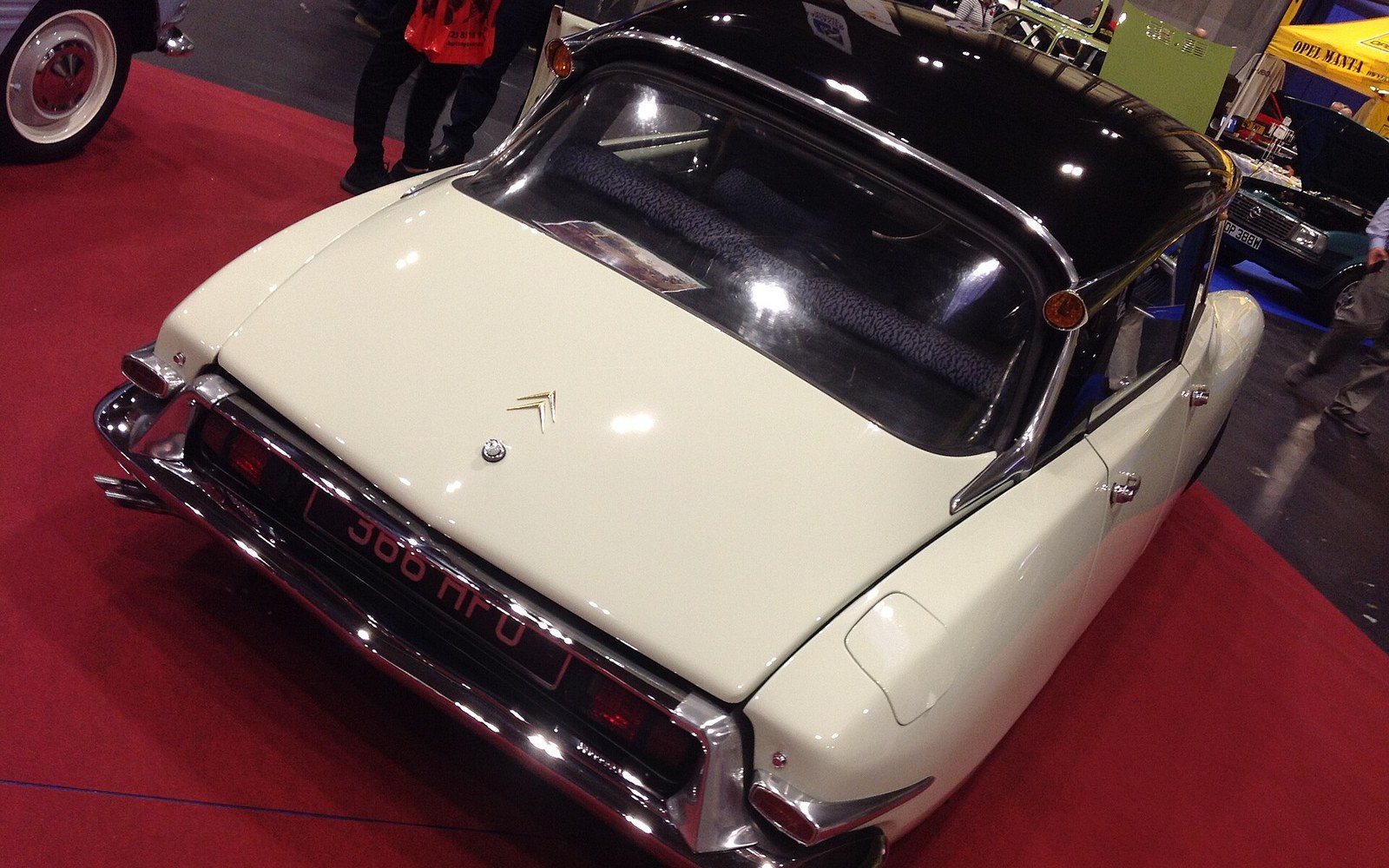
The Salon's most-cited single event belongs to 5 October 1955, when Citroën revealed the DS 19. The hydraulic suspension, the self-centering steering, the shark-nosed body styled by Flaminio Bertoni — visitors absorbed them in something close to collective shock. By the end of the opening day, according to figures recorded in the company's own press documentation of the period, Citroën had taken 749 orders before lunch and 12,000 by the close of the first day. No other debut in the show's history generated a comparable immediate commercial response.
The show acquired its current commercial designation, Mondial de l'Auto, in the 1980s, reflecting an internationalisation that the earlier name did not capture. The name Salon de l'Automobile remains in formal and historical usage. Under either designation, the event runs on a two-year cycle, held in even-numbered years at the Porte de Versailles in October.
The precedence question, finally, may be unresolvable to everyone's satisfaction. What the Paris show can demonstrate that no other can match is a documented, organisationally continuous lineage from a named event in a named place in June 1898.
 Plate 02