§ The Car on the Stand
Peugeot arrived at the 1983 Salon de l'Automobile at the Porte de Versailles carrying real corporate urgency. The company had posted losses through the early 1980s, its range aged and its market share under pressure from Renault's 5 and the Volkswagen Polo. The 205, unveiled to the press earlier that year and shown to the public at the Paris salon that October, was the answer — and the salon stand was its first sustained encounter with paying customers.
The body was designed in-house at Peugeot, under Gérard Welter, and gave the 205 a visual sharpness unusual in the class. The three-door hatch shown at Paris offered a 954 cc entry-level engine alongside a 1,124 cc unit; a five-door variant followed. The interior, compact but well-resolved, set a new standard for perceived quality in the supermini segment. Nothing on Peugeot's stand that October looked provisional: the car was presented as a finished proposition, not a preview.
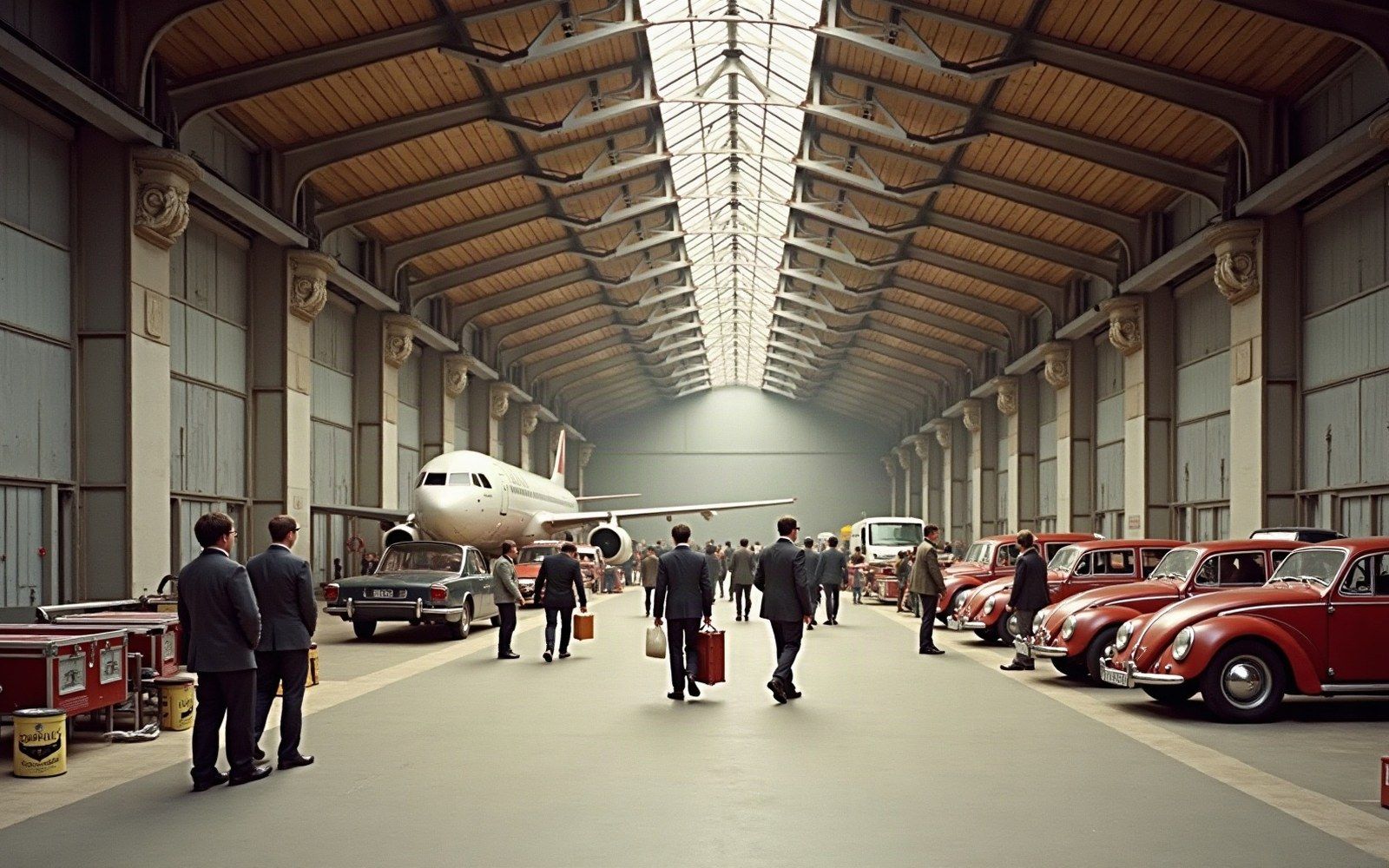
What the salon format did — and what no press release could replicate — was place the 205 physically alongside its rivals in a single hall, under the same light, where visitors could open the doors, sit inside and compare. The Porte de Versailles halls gave that comparison a particular intensity; the Salon de l'Automobile, tracing its origins to its 1898 founding, had always derived authority from precisely that simultaneity of product and public.
The commercial context
From the record| Peugeot entered 1983 in a weak financial position, with losses mounting, an ageing range and market share under pressure from rivals such as the Renault 5 and the Volkswagen Polo. | |
| The 205 was conceived as the vehicle for the company's recovery, not as a niche product. | |
§ What Followed the Debut
The market response was rapid. The 205 became Peugeot's best-selling model and, across its production life at the Mulhouse and Poissy plants, one of the highest-volume European cars of the decade. The Citroën DS's 749 orders before lunchtime on its own 1955 debut is the salon's most cited commercial rush, but the 205's impact was of a different, more sustained kind: it rebuilt a manufacturer's credibility over years rather than hours.
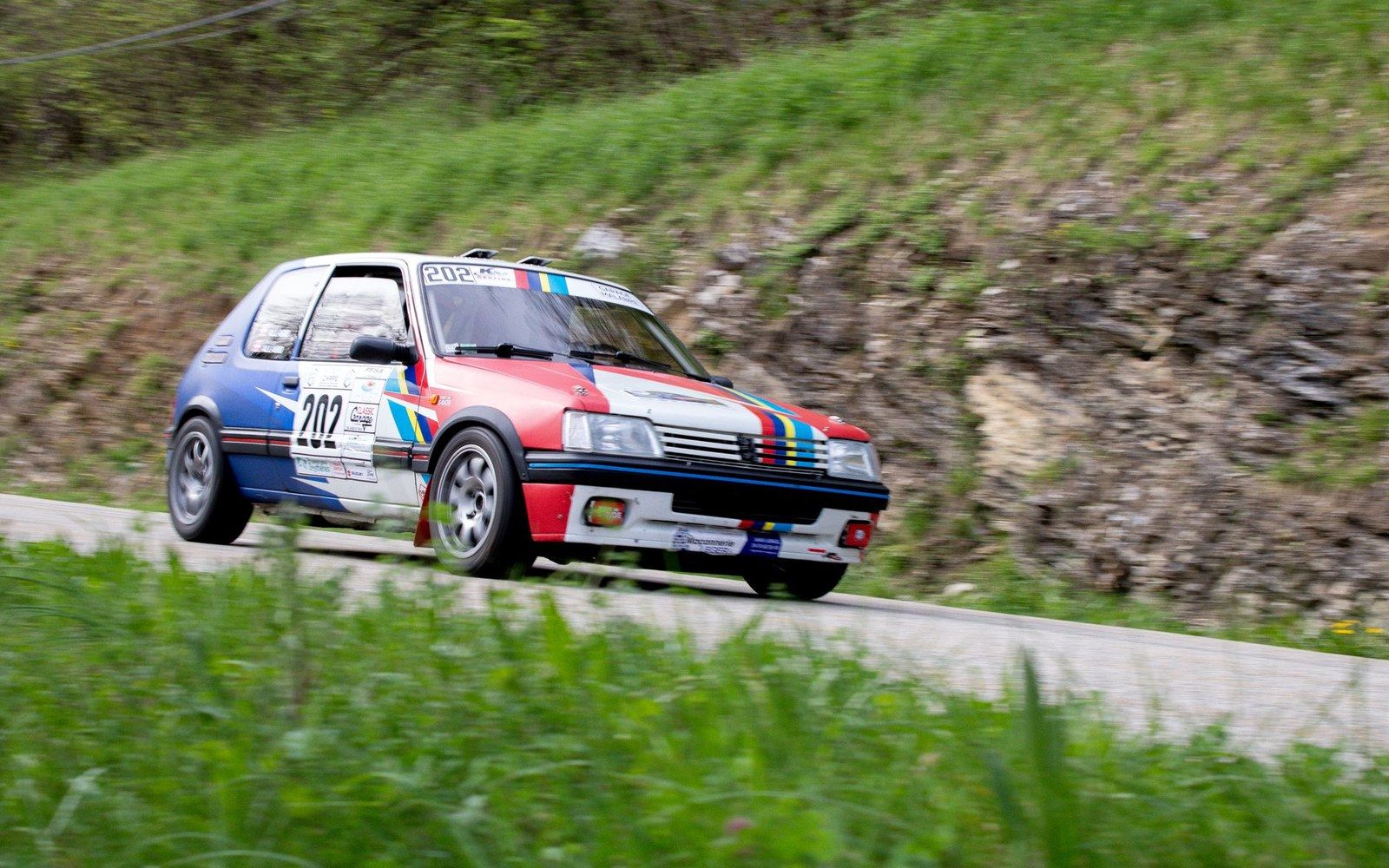
The GTI variant, shown subsequently and producing 105 bhp from a 1,580 cc engine, became a reference point for the hot-hatch category that came to define 1980s European motoring culture. But the case for the 205 as a commercial turning point rests on the standard models — the ones Peugeot's engineers had developed to recover volume — not on the performance outlier. The salon debut in October 1983 was the moment the argument was made publicly, in a venue built for exactly that purpose, to an audience that was there to be convinced.