§ A Convention with Consequences
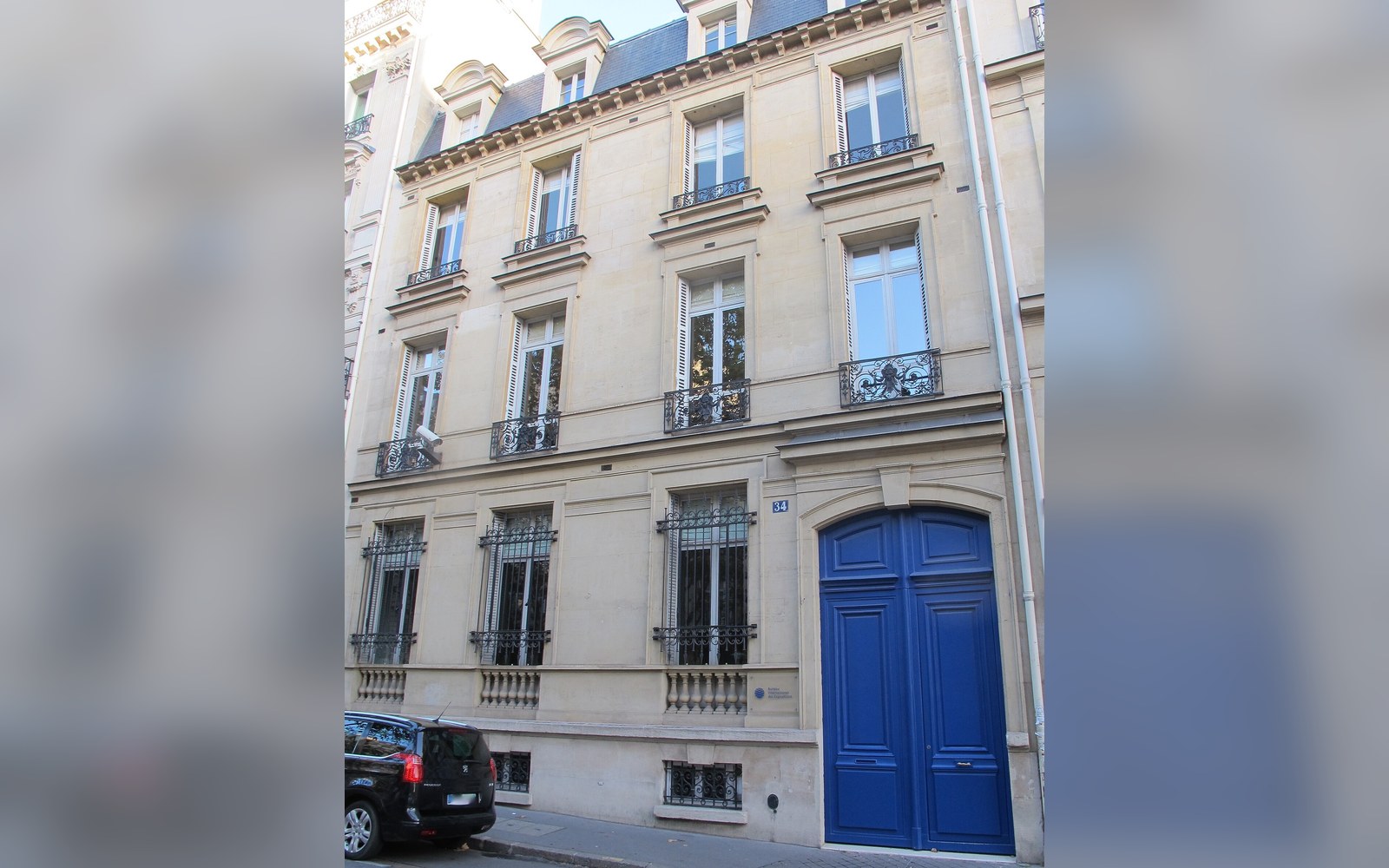
The Bureau International des Expositions came into existence through a treaty signed in Paris on 22 November 1928, negotiated at a moment when the proliferation of international fairs had made the designation "world exposition" nearly meaningless. Thirty-one states signed the original Convention; membership has since grown to more than 170 countries, giving the BIE genuine reach as an intergovernmental body seated in Paris.
Its core function is classification. The BIE divides sanctioned events into registered expositions — the largest category, open to all nations, held no more than once every five years, with no cap on the host country's investment — and recognised expositions, which are smaller, specialised events permitted between the major editions. A city bidding to host either type must submit to a formal application process, accept an inspection mission and agree to the BIE's published regulations on site area, participation rights and intellectual property before a vote of member states approves the candidacy.
The classification system matters because the BIE sets who may exhibit and on what terms. Participant countries at a registered exposition build or rent national pavilions; the host is required to provide land free of charge and guarantee equal access to all BIE member states. Those obligations are enforceable under the 1928 Convention and its subsequent amendments, of which the most significant were adopted in 1948 and revised again in 1972, tightening the criteria that distinguish a world exposition from an ordinary commercial trade fair.
Key dates
From the record- 22 November 19281928 Paris Convention signed; BIE established
- 1948first substantive amendment to the Convention
- 1972revised criteria distinguishing registered from recognised expositions
- 1937first BIE-sanctioned exposition on French soil
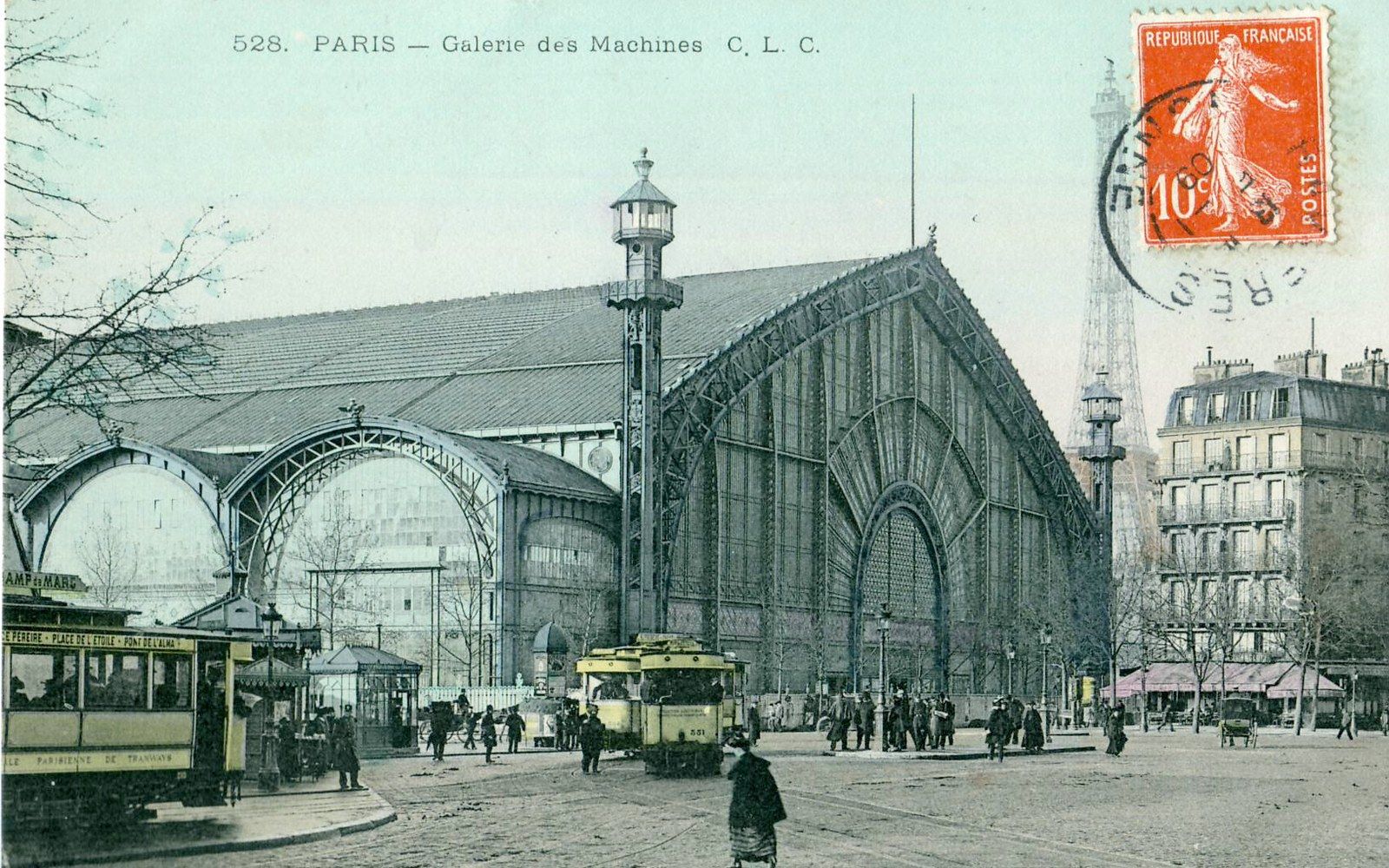
The practical effect is visible in the French record. The Expositions Universelles of 1867, 1878, 1889 and 1900 predated the BIE and operated under no external framework. Once the Convention took effect, France's 1937 Exposition internationale in Paris became the first on French soil to carry formal BIE sanction — a distinction that shaped everything from diplomatic participation to the obligations placed on the organisers.
The BIE does not run expositions; it recognises, classifies and monitors them. The gap between those two functions is where the bureaucratic structure earns its importance: any city may organise a large public fair, but only BIE sanction converts it into a World Exposition in the sense that governments will formally participate.